

Does your carbon capture system remove more than it emits? It sounds like a simple question. In practice, answering it means accounting for every kilogram of CO₂ embedded in a system’s construction, operation, supply chain, and decommissioning, then modelling what happens across multiple real-world scenarios. The Below280 team has been conducting life-cycle assessments of carbon capture technologies since 2012.
Net negativity has to be demonstrated, not assumed
A system that sequesters carbon at the point of capture can still produce net positive emissions once you account for the energy it consumes, the materials used to build it, and the supply chains behind both. Investors, regulators and government bodies understand this; they ask harder questions and expect evidence rather than claims.
Our team includes physicists, civil engineers, chemical engineers and environmental scientists. We investigate the underlying technology, challenge the assumptions built into it, and produce assessments that hold up under investor due diligence and regulatory submission to bodies like DESNZ.
What we assess
- Construction and materials. Full upstream accounting of embodied impacts in infrastructure, equipment and materials.
- Operational energy. Energy demand and emissions profile across the full operational lifetime of the system.
- Supply chain impacts. End-to-end assessment including transport, feedstocks and co-products.
- Decommissioning. End-of-life impacts modelled where they contribute meaningfully to the overall picture.
- Beyond carbon. Environmental and social impacts across multiple categories, not just global warming potential.
- Scenario modelling. Multiple scenarios with sensitivity analysis, so stakeholders understand the range of outcomes rather than a single point estimate.
Every major technology pathway, including novel systems
We work across the full range of carbon capture and removal technologies. Some have well-established LCA methodologies behind them. Others are early enough that the assessment itself is part of proving the concept works. Our team’s broad scientific experience and qualifications can cover the following;.
- Direct Air Capture (DAC). Chemical and physical sorption systems capturing CO₂ directly from ambient air.
- BECCS. Biomass energy with carbon capture and geological storage, including biogenic carbon accounting.
- Point-source industrial capture. Post-combustion, pre-combustion and oxy-fuel capture from power and industrial facilities.
- Ocean-based CDR. Including microalgae systems and ocean alkalinity enhancement.
- Mineralisation. Carbon storage through geological and enhanced rock weathering pathways.
- Novel and hybrid systems. Where existing guidance does not map cleanly onto the technology, we develop the methodology alongside you.
Built for the frameworks your stakeholders require
Carbon capture LCA is not a single standard. Different markets, registries and regulators each have their own requirements, and building an assessment to one framework from the start is considerably more useful than retrofitting it later.
Puro.earth – CORC certification
Puro.earth requires LCA as the cornerstone of CORC issuance, and treats it as a working tool that evolves with the project over time. The 2025 methodology update raised the bar significantly, replacing static reports with continuous quantification models that update each monitoring period. Getting this right requires genuine familiarity with Puro’s specific requirements and how they interact with ISO 14040/44. We can build Puro-compliant LCAs for DAC, BECCS and novel CDR systems.
Verra VM0049 – Verified Carbon Standard
Verra’s VM0049 provides a globally applicable framework for technology-based CCS activities, using a modular approach across DAC, CO₂ transport and geological storage. We can prepare GHG quantification studies to the data quality and system boundary requirements of VM0049 and its associated modules.
US 45Q tax credit – IRS and DOE submissions
Claiming the 45Q utilisation credit requires an LCA the IRS has approved. Reports must conform to ISO 14040/44, the DOE NETL CO₂U LCA Guidance Document, and the 45Q Addendum. An independent third-party review conducted to ISO 14071 is also required. Once approved, an LCA covers the submission year and the following two calendar years before resubmission is needed.
We can prepare 45Q LCA submissions and carry out independent third-party review of submissions prepared by others. NETL provides an openLCA database specifically as part of the 45Q toolkit, making it one of three modelling approaches explicitly sanctioned in the DOE guidance. openLCA is our primary modelling platform across all our work.
ISO 14040 / 14044 – standalone critical review LCA
Where investors or government bodies require a standalone, critically reviewed LCA rather than registry-specific documentation, we deliver full ISO-conformant studies with independent critical review, formatted for investor due diligence and government submission.
We helped develop the guidance, not just apply it
The Below280 team contributed to the scientific guidance on LCA for carbon capture and utilisation commissioned by the European Commission’s DG Energy, known as the LCA4CCU project. The work involved developing the methodological framework for how LCA should be applied to CCU technologies: system boundary decisions, CO₂ accounting rules, functional unit selection.
Why openLCA matters
Below280 is the UK partner for GreenDelta, the developers of openLCA. We work directly with the people who build and maintain the software. The DOE’s NETL provides an openLCA database specifically for the 45Q LCA toolkit, making it one of the approved modelling approaches for IRS submissions. For carbon capture assessments where regulators and reviewers need to interrogate the model directly, that level of software expertise is a practical advantage rather than a footnote.
Selected projects
Many of our carbon capture projects are covered by confidentiality agreements. These three we can speak to.
Lynemouth Power Station – BECCS Track 1 extension
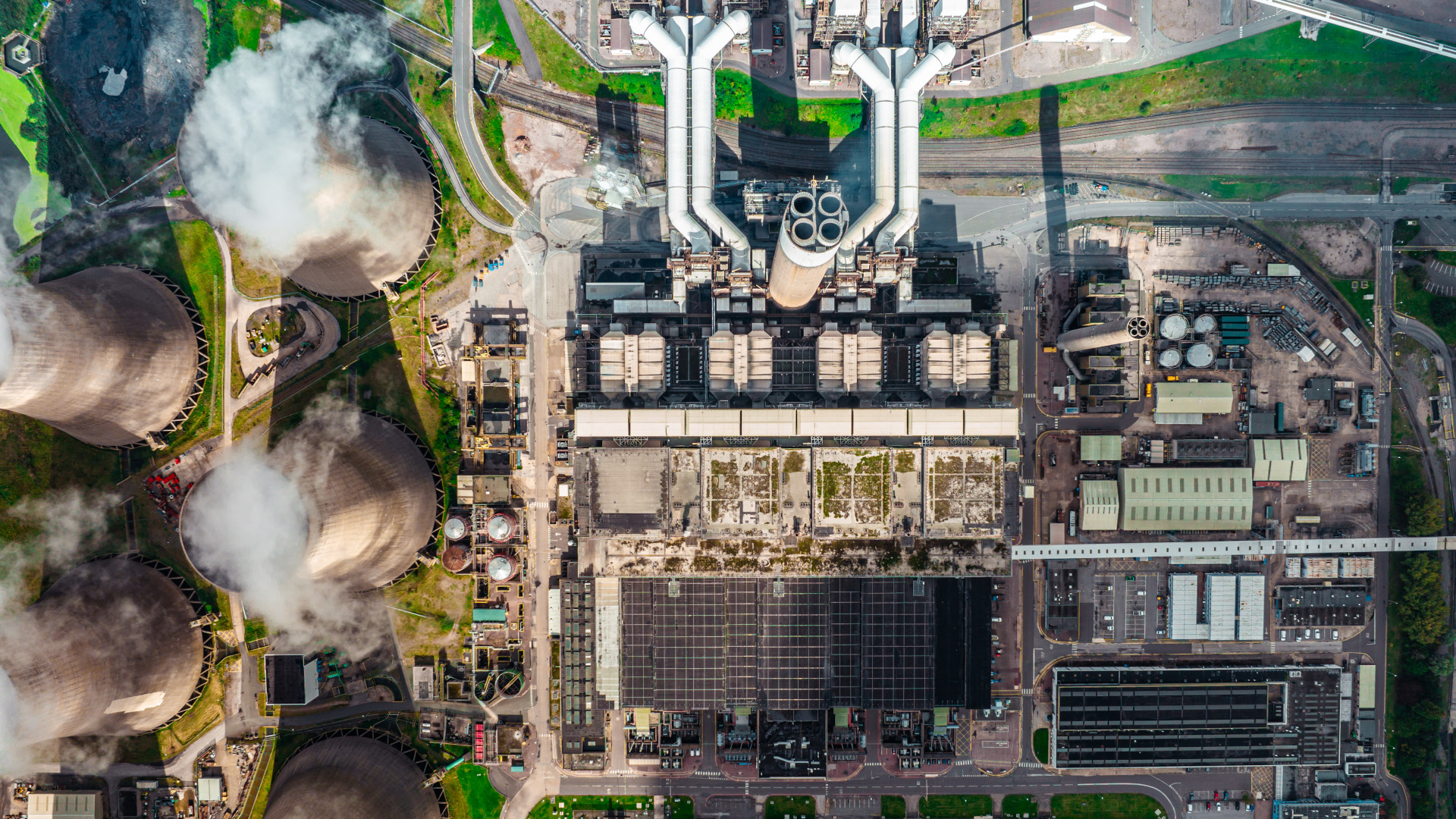
We provided LCA data used by EPH in their Track 1 CCS extension application to DESNZ. The work required detailed modelling of the full biomass supply chain alongside the carbon capture system, producing data suitable for regulatory submission at a nationally significant infrastructure project.
Brilliant Planet – CDR investor due diligence
We conducted detailed LCA modelling of Brilliant Planet’s ocean-based carbon dioxide removal solution. The results gave investors independently verified data on net carbon removal performance, feeding directly into investment decisions on an emerging CDR technology.
REALM project – Horizon Europe microalgae system
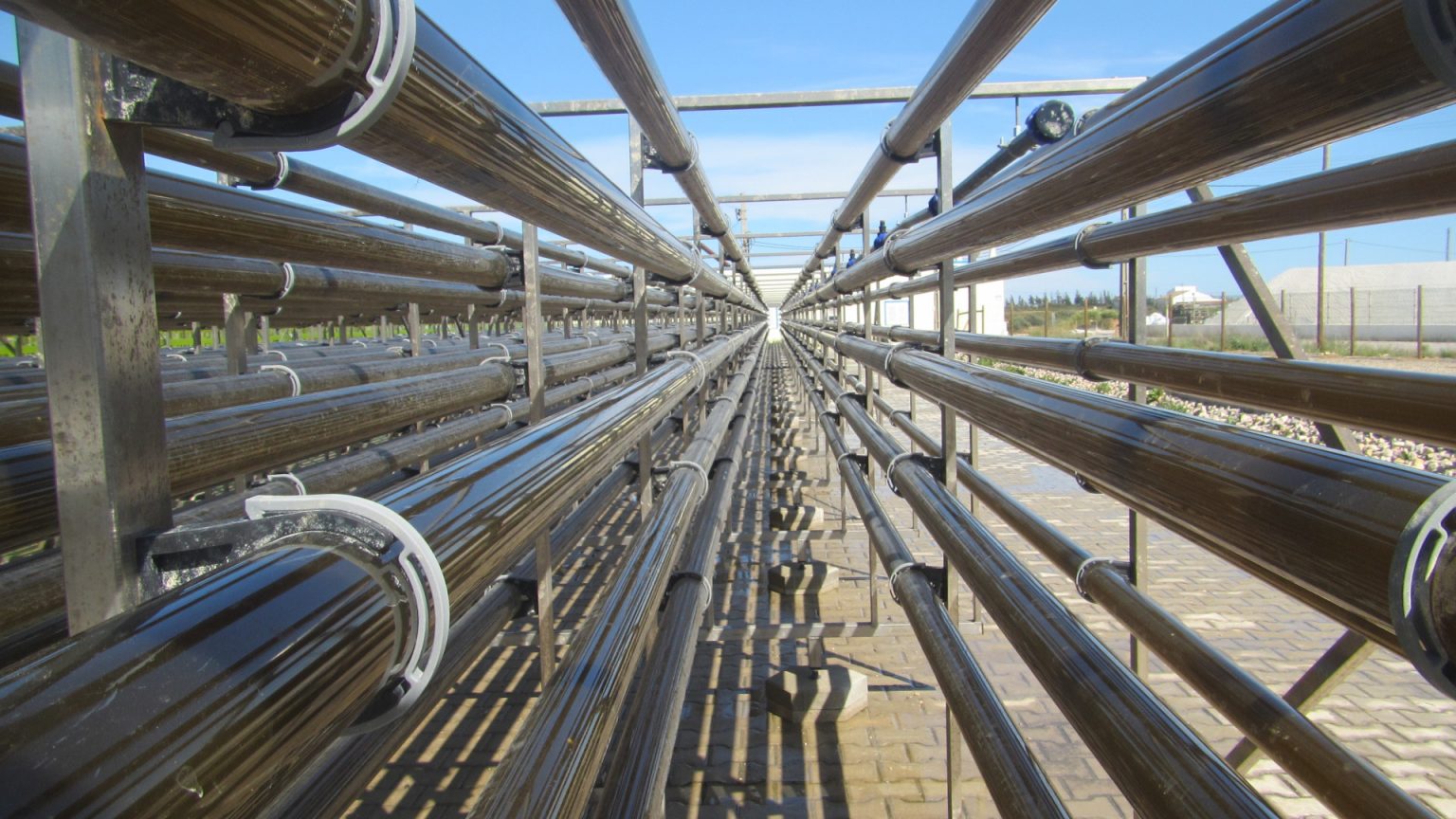
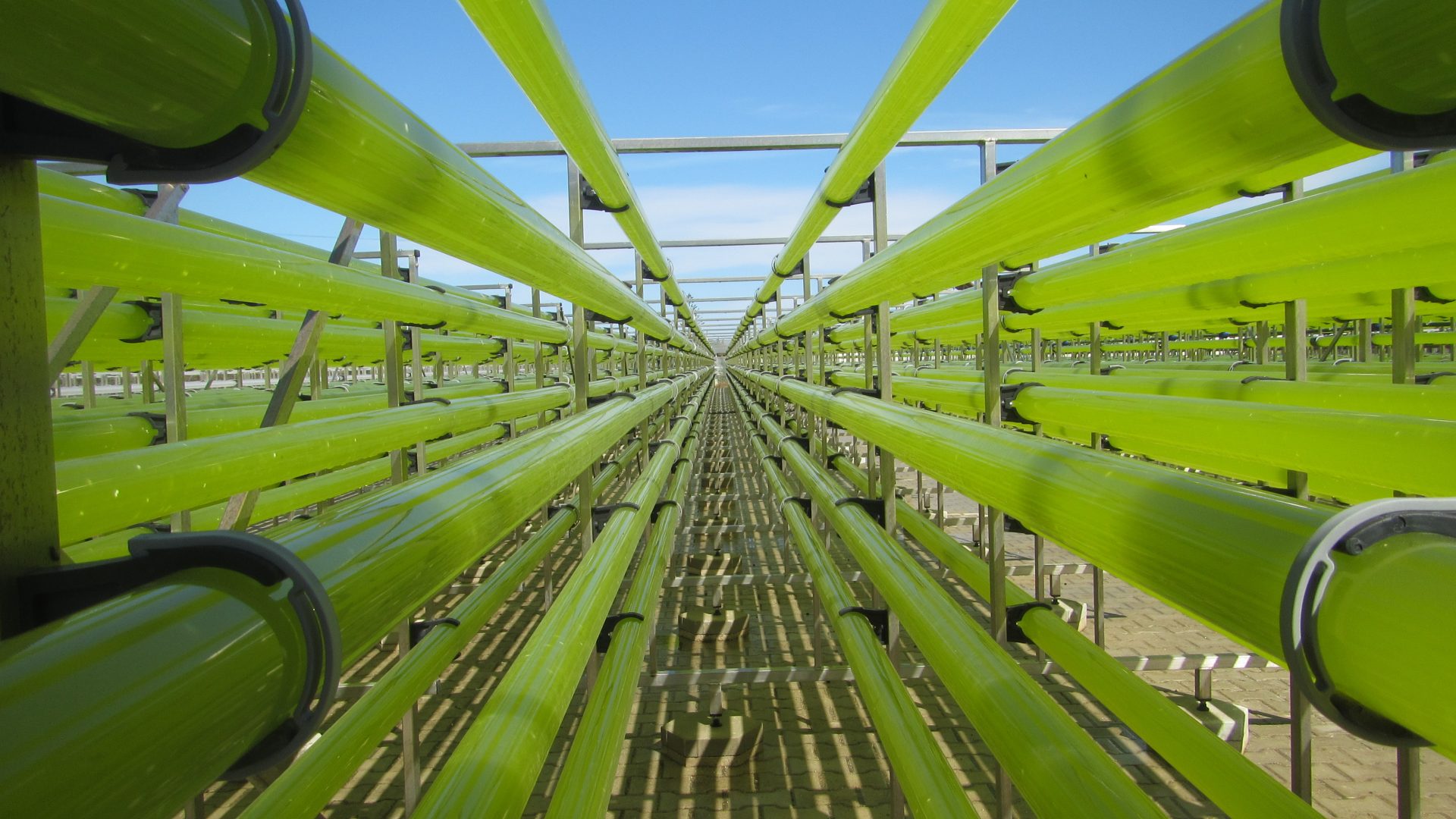
As part of the EU Horizon REALM project, we developed the LCA for a microalgae production system incorporating amine-based direct air capture, used to supply CO₂ to the process rather than relying on bottled industrial CO₂. That integration makes the system boundary considerably more complex, and is exactly the kind of novel configuration where standard LCA guidance does not map cleanly onto reality. We have peer-reviewed publications in microalgae LCA and have been working in this area for over a decade.
Who we work with
Technology developers
From early-stage modelling through to investor-ready and regulatory-grade assessments. If your LCA is part of proving the concept, we approach it that way from the start.
Investors and funds
Independent verification of net negativity claims before capital is committed. We look at the technology and interrogate the assumptions behind the numbers, which is where the real risk usually lives.
Government and public bodies
Policy-relevant LCA and technical assessment for agencies evaluating carbon capture proposals, grant applications, and CCS Track 1 and Track 2 processes.
Deploying organisations
For organisations procuring or deploying carbon capture, we provide the independent evidence needed to validate supplier claims and satisfy board and stakeholder scrutiny.
Talk to us about your project
Whether you need investor-grade due diligence, a Puro or Verra compliant LCA, a 45Q submission, or an independent review of existing work, the best starting point is a short technical conversation. We can usually tell you within that call whether we are the right fit and what the work would involve.
Need LCA, EPD, or CBAM consultancy?
Or have a research proposal to collaborate on?
Global commercial consultancy • Horizon Europe, UKRI & Innovate UK research partner