


Below280 provides ISO 14040 and ISO 14044 compliant Life Cycle Assessment (LCA) for manufacturers, technology developers, and infrastructure projects globally. Our studies combine rigorous environmental modelling with deep engineering knowledge of the systems being assessed, and we build models that support real decisions rather than just produce reports.
LCA analyses environmental impacts across the full supply chain of a product or service, from raw material extraction through to end of life. Done well, it identifies where in the supply chain the damage occurs and what can be done about it, not just whether something is environmentally damaging overall.
Engineering expertise in life cycle assessment
LCA is only as good as the understanding behind it. A model built without genuine knowledge of the technology it represents will miss the details that matter most: the process inefficiencies, the energy flows, the material substitutions that determine where environmental impacts actually sit.
Our team includes civil engineers, chemical engineers, environmental engineers, and physicists. That breadth allows us to engage with your technology in depth, whether you are producing construction materials, developing novel energy systems, manufacturing chemicals, growing food, or working at the frontier of battery technology. We draw on additional engineering expertise from Decerna Group, of which Below280 is a commercial spin-out, giving us access to a wider pool of technical knowledge than most LCA consultancies can offer.
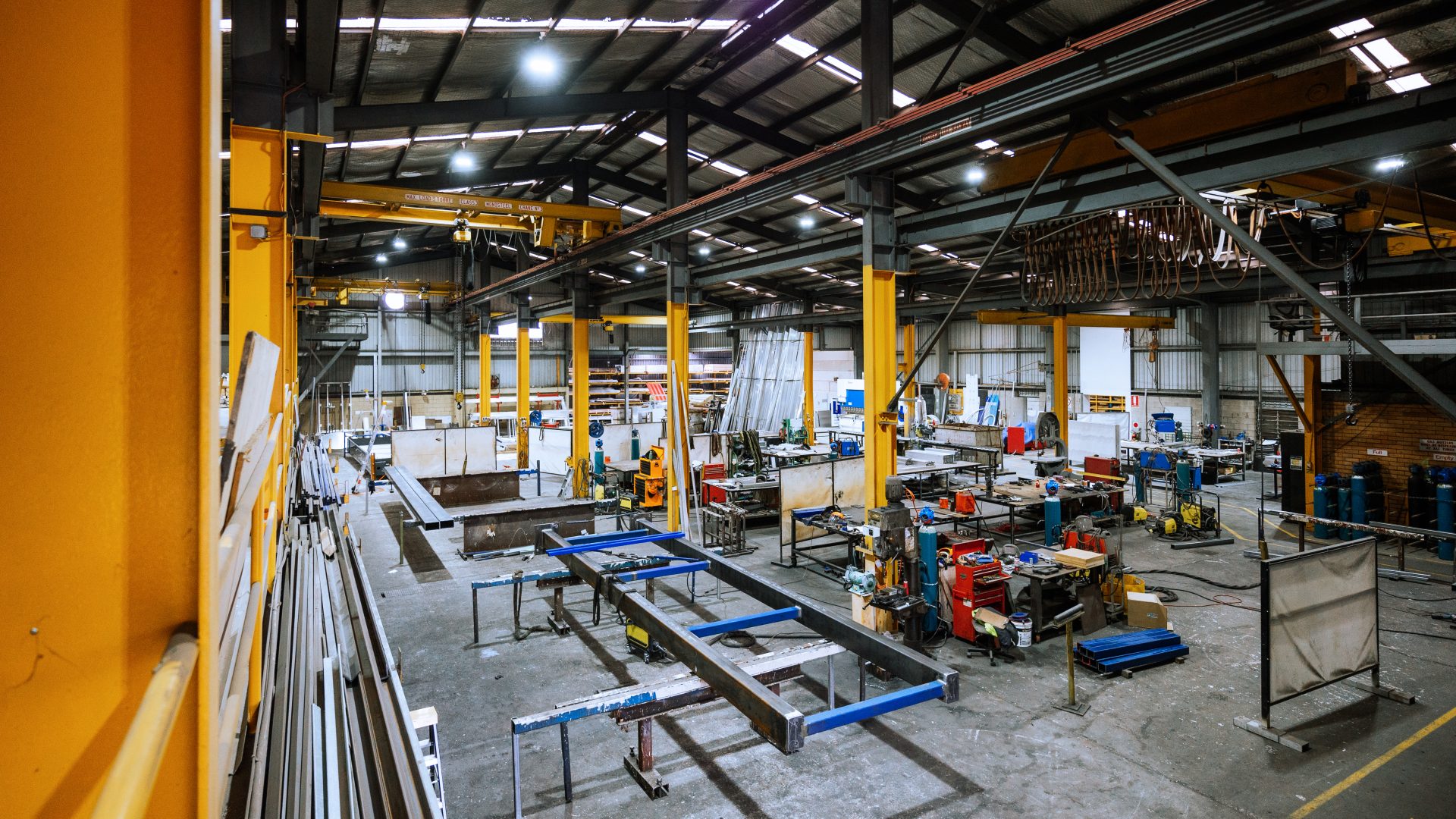
We undertake site visits as a standard part of our process. Qualified engineers visit your facilities to measure energy use, observe processes directly, and gather the data that cannot be captured from a spreadsheet. We do not believe an accurate LCA can be produced over email.
What an LCA from Below280 gives you
We build parameter-based LCA models, not static reports. Once your study is complete, you have a tool that can test multiple scenarios, compare technology choices, and show the environmental consequence of decisions before they are made. That turns LCA from a compliance exercise into a genuine decision-making instrument.
Our work covers a wide range of environmental impact categories beyond carbon, including acidification, eutrophication, water use, resource depletion, and others. We are actively researching new methods to extend the range of impacts that can be reliably measured and included in LCA studies.
We use openLCA as our primary modelling platform, which we consider the most powerful and adaptable widely used LCA software available. Alongside openLCA, we have developed our own python-based tools that support our modelling workflows and improve the quality and consistency of results reporting.
How we work
Every LCA project follows a structured process, adapted to the complexity of the system being assessed.
Scoping defines the goal and scope of the study, the system boundary, the functional unit, and the data requirements. This stage determines the quality of everything that follows.
Data collection and site visits follow, gathering primary data from your operations and supply chain. We visit sites where the process or technology requires direct observation, because the most important inputs to an LCA are often the ones that cannot be found in a database.
Life cycle modelling is carried out in openLCA, drawing on appropriate background datasets and applying our proprietary tools to support consistency and reporting quality.
Hotspot analysis identifies where in the supply chain environmental impacts are concentrated and where intervention would have the greatest effect.
Reporting and decision-support tools give you a model you can continue to use, with scenarios and parameters that reflect your real technology choices.
Sectors we work in
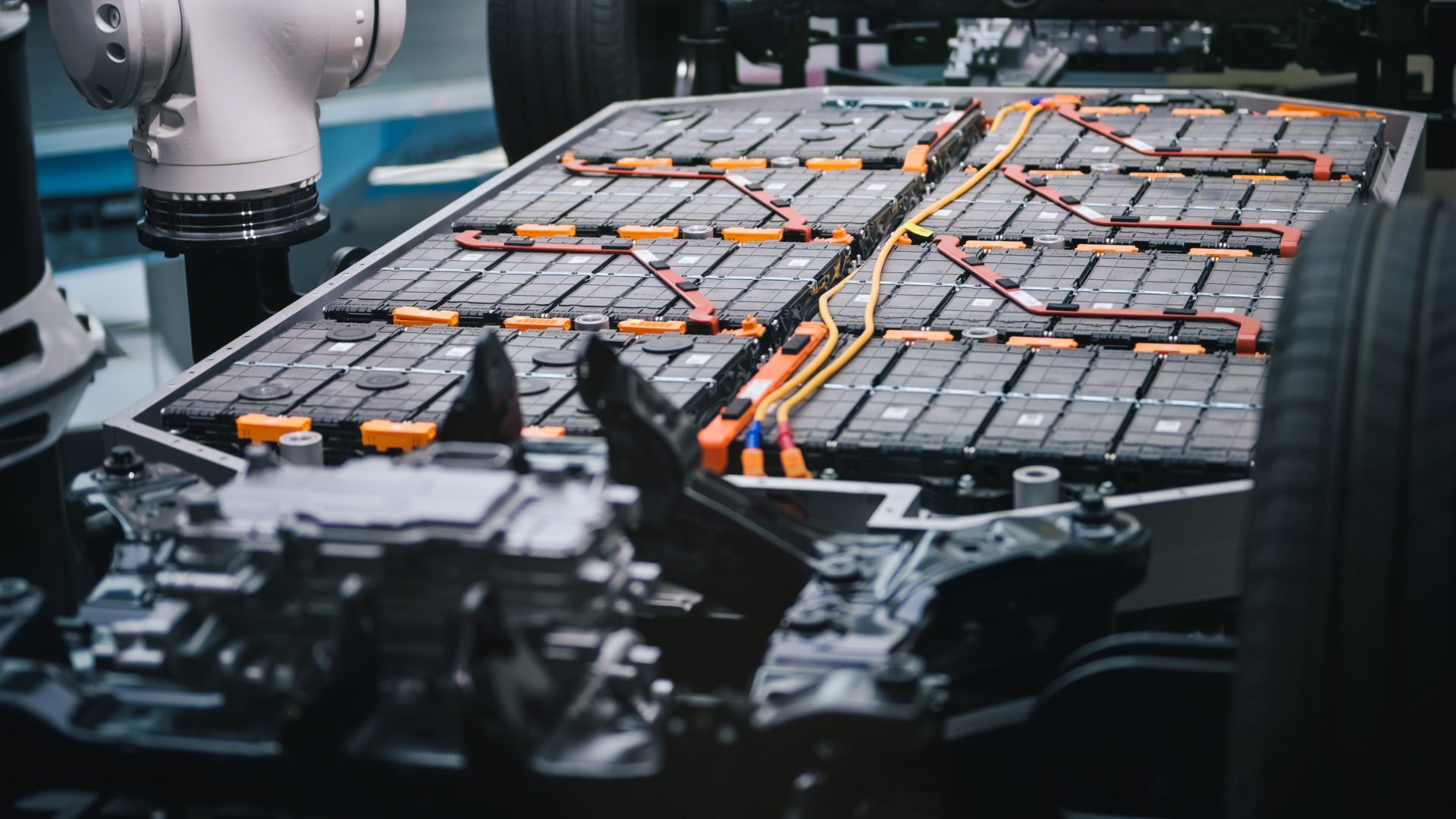
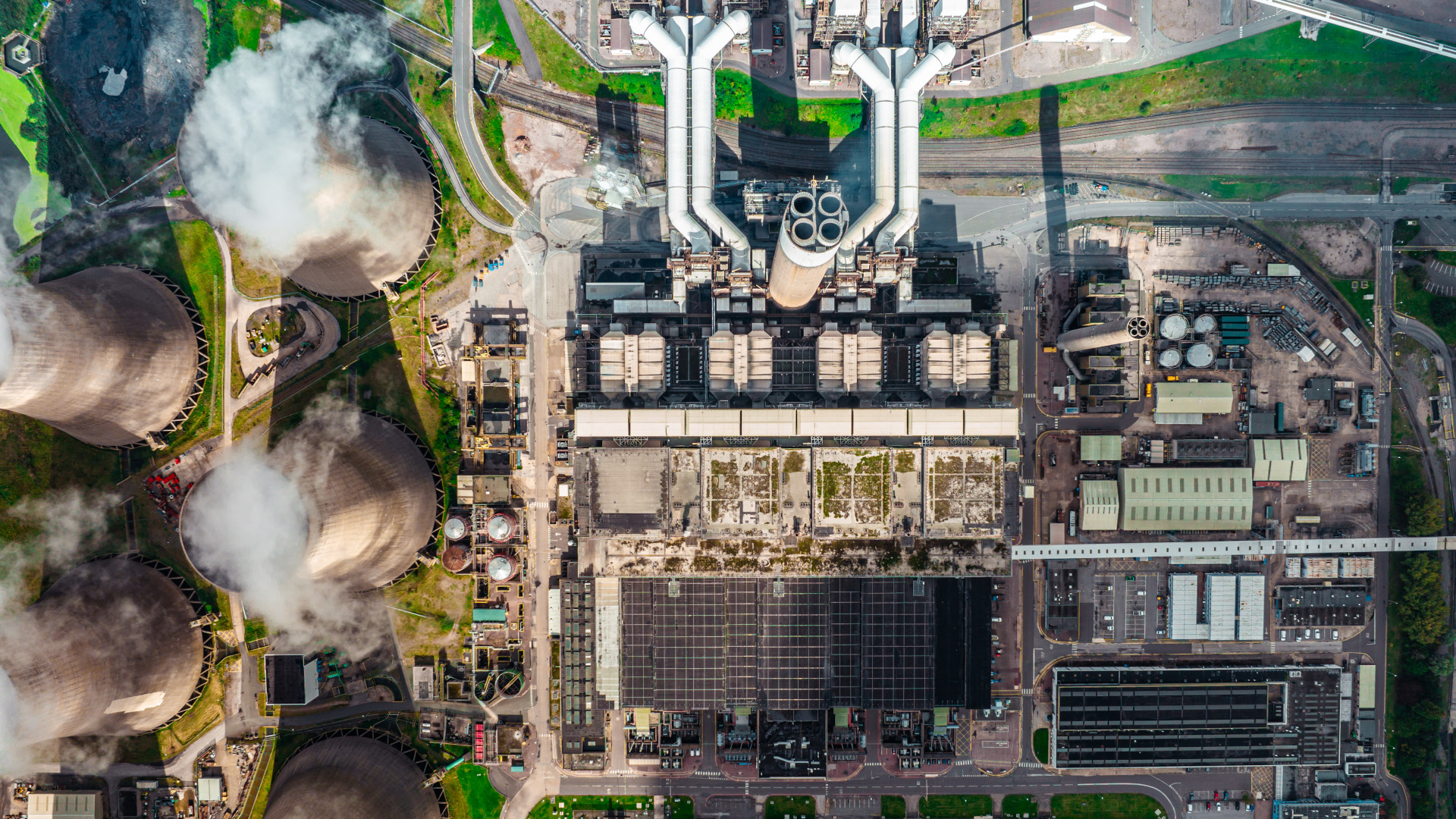
We provide LCA services across construction and the built environment, energy and renewables, chemicals and advanced materials, food and agriculture, and emerging technologies including batteries and novel bio-based systems. Many of our most interesting projects sit at the intersection of these sectors, where new materials or processes are being developed and the environmental case needs to be built from first principles.
LCA variants and related services
Beyond standard product and process LCA, we work across a range of related methodologies and applications.
Comparative LCA places your product or process in context, comparing its environmental performance against alternatives or industry benchmarks. Prospective and consequential LCA supports decision-making about future systems and technology choices. Hotspot analysis identifies the stages of your supply chain where environmental intervention will have the greatest effect.
We also produce Environmental Product Declarations, battery regulation carbon footprint declarations, and carbon capture and storage LCA, drawing on the same underlying methodology for specific regulatory and market purposes.
Commercial and research LCA
We work on both commercial LCA projects and funded research. Our research background, spanning FP7, Horizon 2020, and Horizon Europe projects, means we bring methodological rigour and awareness of the latest developments in LCA science to our commercial work. For clients developing novel or pre-commercial technologies, that research perspective is particularly valuable, because standard datasets and default assumptions often do not apply.
Contact Below280 to discuss your LCA requirements.
Need LCA, EPD, or CBAM consultancy?
Or have a research proposal to collaborate on?
Global commercial consultancy • Horizon Europe, UKRI & Innovate UK research partner